
What Photos Modelling Agencies Look for When Reviewing New Models

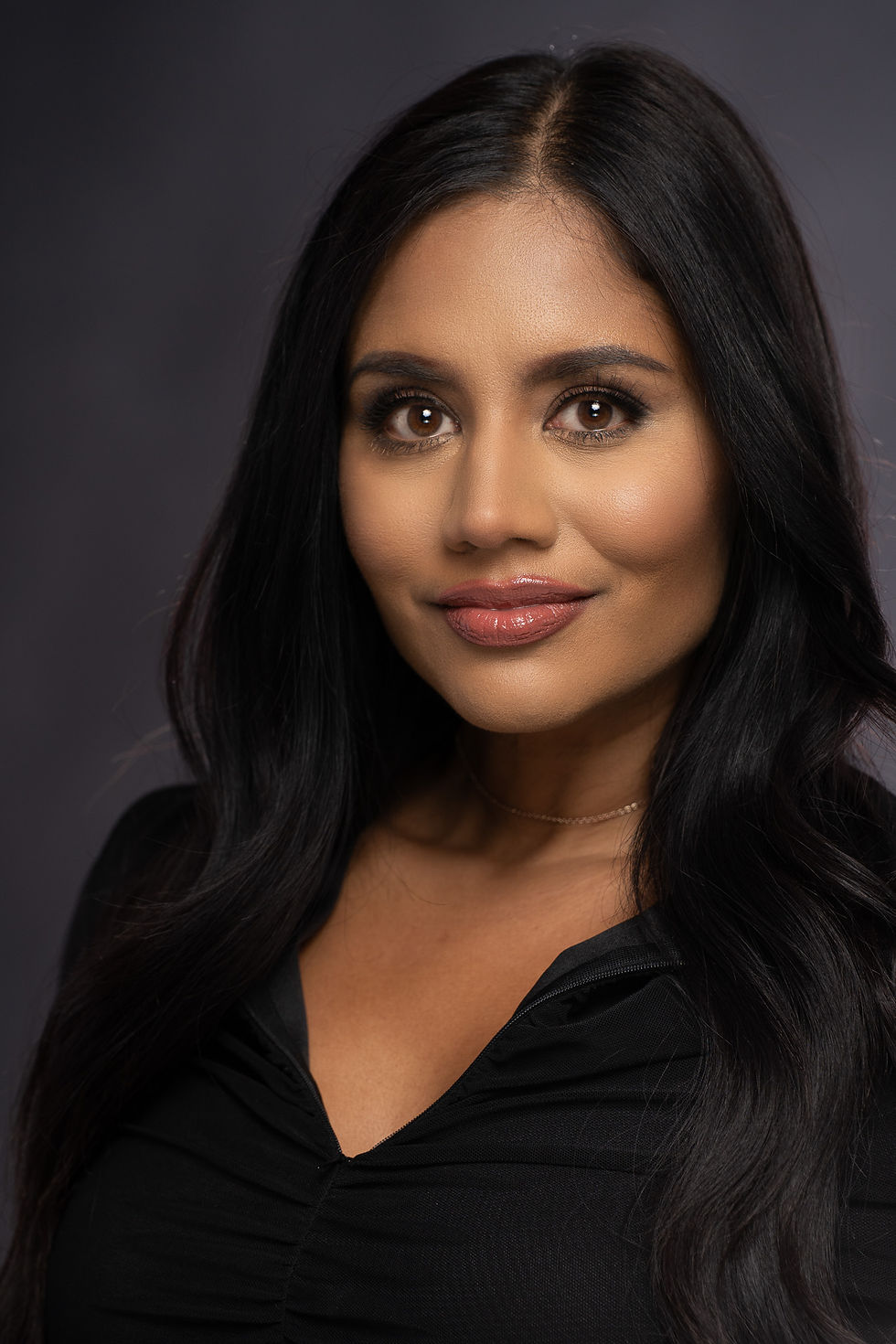
A strong model application usually starts with simple photos, not a polished editorial shoot. The photos modelling agencies look for are meant to show what a new model actually looks like, how they photograph in natural light, and whether their proportions, features, and presence may fit the agency’s market.
For beginners in Toronto, Vaughan, and the Greater Toronto Area, this can be confusing. Many new models assume they need a full professional modelling portfolio before applying. In many cases, they do not. Most agencies reviewing new faces want clear, honest images, often called model digitals or snapshots.
These photos help an agency make an early decision: should they request a meeting, ask for updated images, or pass for now? The goal is not to look like a finished campaign. The goal is to give the agency enough accurate information to assess potential.
The photos modelling agencies look for are clear, current, and natural
When reviewing new models, agencies usually want photos that show the face, body shape, posture, proportions, and natural features without heavy styling. These are often listed in modelling agency requirements as simple application photos.
A typical beginner submission may include:
Photo type | What it shows | Why agencies ask for it |
Straight-on headshot | Face shape, skin, eyes, hair, expression | Helps assess facial features clearly |
Smiling headshot | Teeth, warmth, commercial appeal | Useful for lifestyle and commercial modelling |
Full-body front photo | Height impression, proportions, posture | Shows overall shape and alignment |
Full-body side photo | Profile, posture, body line | Helps assess angles and proportions |
Three-quarter photo | How the face and body photograph between front and side | Gives a more complete view |
Simple waist-up photo | Face, shoulders, and natural presence | Useful when full body is not enough |
Some agencies may ask for fewer images. Others may request extra angles. The safest approach is to read each agency’s application page before submitting. If an agency asks for four photos, send four strong photos rather than ten random ones.
Agencies are not only looking for conventional beauty. They may be checking:
Bone structure and facial symmetry
Height and body proportions
Skin clarity, without editing hiding texture
Hair length, colour, and condition
Posture and confidence
Camera awareness
Commercial, fashion, fitness, or lifestyle potential
A beginner model photo should answer a simple question: what would this person look like if we met them in normal daylight?
What are model digitals?
Model digitals are simple, unedited photos used to show a model’s natural appearance. They are sometimes called snapshots, natural photos, or polaroids, although most are now taken on a phone or digital camera.
Good model digitals are usually taken:
In natural light
Against a plain background
With minimal makeup
In fitted, simple clothing
Without heavy posing
Without filters or strong retouching
Agencies request digitals because they need a clean starting point. An editorial image can be beautiful, but it may include dramatic lighting, makeup, hair styling, retouching, angles, and wardrobe that hide what the model actually looks like.
Digitals reduce the guesswork. They let the agency see the model’s current look before investing time in development, test shoots, castings, or client submissions.
For example, a heavily edited beauty image might make skin look smooth and eyes appear brighter. A digital headshot shows the real face shape, natural skin texture, and how the model holds expression without editing. That information matters when an agency is deciding whether someone fits their roster.
Which angles should beginner models photograph?
Beginner model photos should cover the main angles an agency needs to assess. A small, clean set is better than a large folder of inconsistent images.
Straight-on headshot
This is one of the most important model headshots for an application. The camera should be at eye level. The face should look directly into the lens. Hair should not cover the eyes or jawline.
A neutral expression works well. Add a second headshot with a natural smile if the agency allows multiple uploads.
Good headshot details:
Face fully visible
Clean light across the face
No sunglasses, hats, or heavy accessories
Simple background
Natural skin texture
Full-body front photo
A full-body photo helps agencies assess height impression, proportions, stance, and posture. Stand straight with arms relaxed. Keep feet natural and avoid exaggerated posing.
The camera should not be too high or too low. A low angle can make legs look longer than they are. A high angle can shorten the body. Agencies prefer accuracy.
A good full-body image includes the top of the head and the feet, with a little space around the body.
Full-body side photo
The side profile shows posture, body line, and face profile. Stand naturally, with shoulders relaxed and chin level. Avoid arching the back to create a more dramatic shape. Agencies can usually tell when the pose is forced.
This image is especially useful because many people look different from the side than they do from the front. A clean side photo gives agencies a fuller picture.
Three-quarter photo
A three-quarter angle sits between front and side. Turn slightly away from the camera, then bring the face toward the lens. This shows how facial structure and body shape photograph at a more realistic angle.
This type of photo can help show natural camera presence without becoming overly posed.
Waist-up photo
A waist-up image gives more detail than a full-body shot but more context than a tight headshot. It is useful for showing shoulders, posture, hair, and expression.
This photo should still feel simple. Avoid fashion posing unless the agency asks for it.
What should models wear when submitting photos?
Clothing should help the agency see the model, not the outfit. Simple, fitted clothing is usually best because it shows proportions without distraction.
Good choices include:
Fitted jeans or simple pants
A plain fitted T-shirt or tank top
Simple fitted shorts, if appropriate for the agency’s requirements
Clean, simple shoes or bare feet, depending on the photo setup
Swimwear only if the agency specifically requests it and the model is comfortable
Avoid clothing that hides the body shape, such as oversized sweaters, bulky jackets, loose layers, or busy patterns. Avoid logos and large graphics. They pull attention away from the face and proportions.
For colours, black, white, grey, denim, and other simple tones usually work well. The clothing should contrast with the background enough that the body outline is clear.
Makeup should be light or minimal. Hair should look clean and natural. If hair is long, agencies may appreciate one photo with hair down and one with hair pulled back so they can see the face shape.
Jewelry should be minimal. Large earrings, necklaces, and accessories can distract from the features agencies are trying to evaluate.
Should model application photos be professionally retouched?
Application photos should not be professionally retouched in a way that changes the model’s appearance. This includes smoothing skin heavily, reshaping the face or body, changing eye size, slimming the waist, editing hairline, or removing natural features.
Basic cleanup is usually fine if it does not mislead. For example, correcting brightness or cropping the image is acceptable. Removing a temporary lint mark from clothing is not the same as changing the shape of the body.
Agencies need accurate images because they are assessing how a model may look in person and on set. If photos are heavily retouched, the agency may lose trust in the submission. It can also create problems later if the model is invited for an interview and looks different from the images.
A useful rule is simple: if the edit changes what someone would see in person, skip it.
That also applies to filters. Beauty filters can change skin texture, face shape, eyes, lips, and jawline. Even subtle filters can make application photos less useful.
Do beginners need a professional modelling portfolio?
Most beginners do not need a full professional modelling portfolio before applying to an agency. In many cases, agencies prefer simple digitals first.
A professional modelling portfolio can help later, after a model knows their direction and the agency has advised what types of images are useful. Building a portfolio too early can lead to spending money on photos that do not match agency needs.
For example, a beginner may pay for dramatic fashion images with heavy styling, only to learn that the agency wanted simple digitals and clean commercial images. The photos may be well made, but not useful for the first application.
A better order is often:
Research agencies and their submission rules.
Prepare clean model digitals.
Submit only what each agency asks for.
Wait for feedback or next steps.
Build a portfolio if there is a clear purpose.
Professional photography can still be useful. A skilled photographer who understands modelling agency photos can help with clean lighting, correct angles, posing basics, and image selection. But it should support the application, not replace the agency’s actual requirements.
For aspiring models looking into modelling photography Toronto or Vaughan services, the key question is not “Do these photos look expensive?” It is “Do these photos show me clearly and honestly for the type of agency I am contacting?”
How to prepare beginner model photos at home
Many strong application images can be taken at home or outdoors with a phone, especially for the first submission.
Look for soft, even light. A bright window can work well. Avoid direct midday sun because it creates harsh shadows under the eyes and nose. Cloudy outdoor light can also be useful.
Choose a plain background. A clean wall, simple fence, or uncluttered outdoor space is better than a busy room. The background should not compete with the model.
Ask someone else to take the photos if possible. Selfies distort the face and body because the camera is too close. A person standing several feet away can take a more accurate image.
Keep the camera straight. Avoid wide-angle distortion by stepping back and using a normal camera setting rather than holding the phone close to the body. The lens should be around chest height for full-body photos and eye level for headshots.
Take several options, then choose the clearest ones. Do not submit every photo. Pick images where the face is sharp, the body is visible, posture looks natural, and lighting is even.
Before sending, check the basics:
Are the photos current?
Is the face clearly visible?
Can the agency see the full body?
Are the images unfiltered?
Does the outfit show shape without being distracting?
Did the agency request these exact types of photos?
This process answers the practical side of how to apply to modelling agencies. A clean application shows that the model can follow directions, which matters in the industry.
Common mistakes that weaken model applications
Small mistakes can make otherwise good beginner model photos less useful. The most common ones are easy to avoid.
Sending glamour photos instead of digitals
Styled images can look impressive, but they may not show the model clearly. Heavy makeup, dramatic light, and strong retouching can hide the real features agencies need to assess.
Cropping out the body
A full-body photo should show the full body. Cropping at the ankles, knees, or top of the head makes the image less useful.
Using old photos
Agencies need a current look. Hair colour, hair length, braces, skin, fitness level, and overall style can change. Use recent photos that reflect the present.
Overposing
Beginner models often try to prove they can pose by doing too much. For applications, simple is stronger. Stand naturally, relax the hands, and keep expressions controlled.
Ignoring the agency’s instructions
Agency requirements vary. One agency may ask for four images and measurements. Another may ask for a short video. Sending the wrong format can hurt the application, even if the photos are good.
FAQ
What photos do modelling agencies look for when reviewing new models?
Most agencies look for clear headshots, full-body photos, side profiles, and sometimes three-quarter images. They want current, natural photos that show the face, body proportions, posture, and overall look without heavy styling or editing.
What are model digitals?
Model digitals are simple, natural photos used for agency applications and model updates. They usually include headshots and full-body images taken in plain clothing, natural light, and little or no retouching.
Should beginner model photos be taken by a professional photographer?
Not always. Many beginners can submit clear at-home digitals if the lighting, background, clothing, and angles are correct. A photographer can help if the photos need to look cleaner, but a full portfolio is usually not required for a first agency application.
Can I wear makeup in modelling agency photos?
Light, natural makeup is usually acceptable, but the face should still look like the real person. Heavy contouring, false lashes, bold lipstick, and dramatic edits can make it harder for agencies to assess natural features.
Do I need a professional modelling portfolio before applying?
Most beginners do not need a professional portfolio before applying. Start with the agency’s requested digitals. Build a portfolio later if an agency, photographer, or clear modelling goal gives the photos a real purpose.
A strong application is simple, honest, and easy to review
The best modelling agency photos are not the most dramatic photos. They are the clearest ones. Agencies want to see current features, natural proportions, posture, and presence without guessing what has been edited or hidden.
For beginners in Toronto, Vaughan, and the GTA, the smartest first step is to check each agency’s requirements, prepare clean digitals, and avoid spending money on a large portfolio before knowing what is needed. If professional photos become useful, they should still follow the same principle: show the model clearly, accurately, and with purpose.


Comments