
Can You Request a Specific Dance Photography Style?

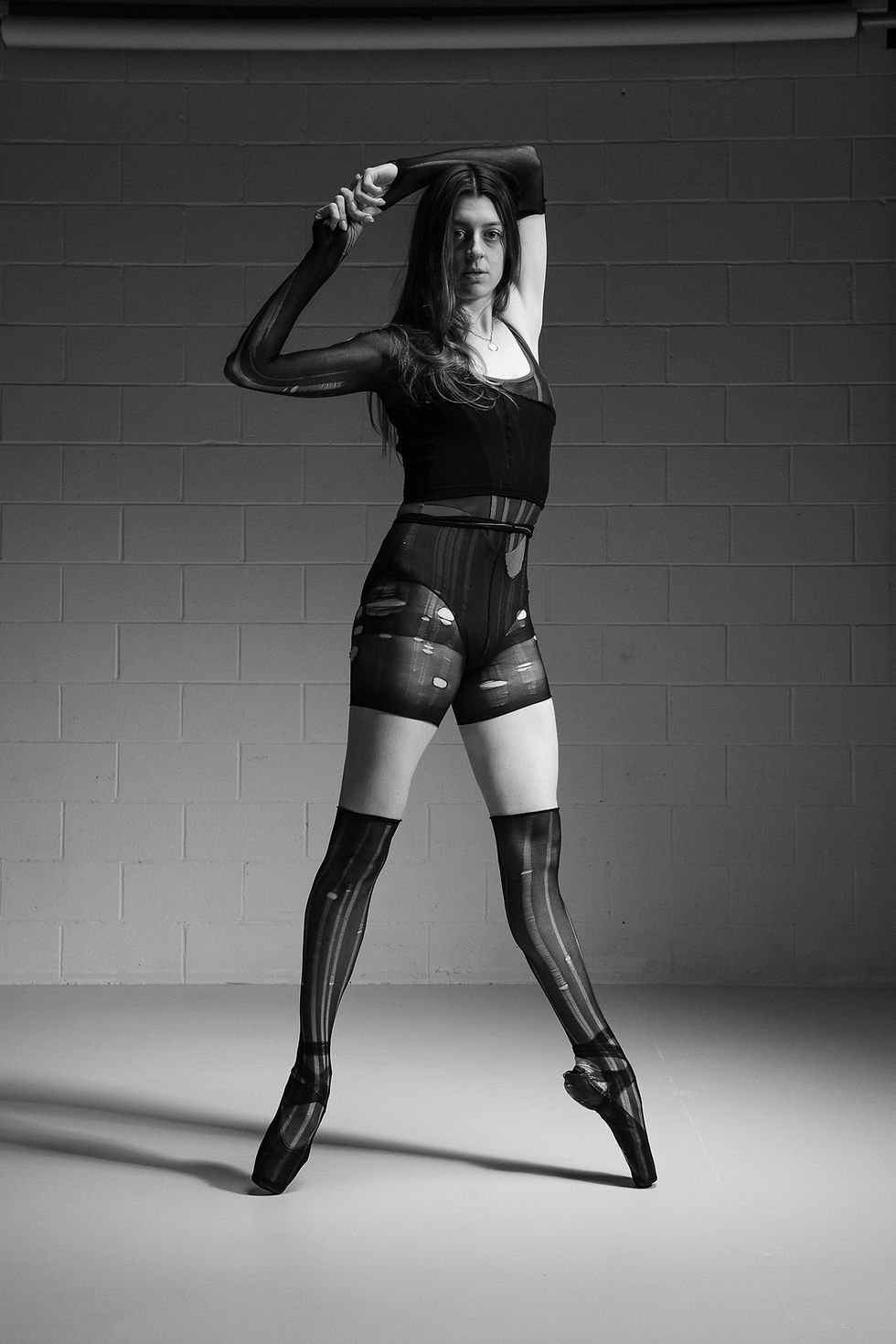
Yes, you can request a specific photography style for your dance photography session. Sharing inspiration images, discussing your creative goals, and communicating your preferences with your photographer helps create photos that reflect your personality, artistic vision, and dance style.
At Alex Rojas Photography in Vaughan, each Dance Movement Session can be planned around your goals, whether you prefer dramatic lighting, clean studio portraits, dynamic movement photography, or a more artistic and experimental approach.
Can I Bring Inspiration Photos to My Dance Photography Session?
Absolutely. Inspiration photos are a great way to communicate the look and feel you want to achieve. You can collect examples from photographers, dancers, magazines, or social media and share them before your session.
When choosing inspiration images, consider what specifically appeals to you. It might be the lighting, background, pose, composition, colour palette, or overall mood. Identifying these details helps your photographer understand your vision and develop an approach that suits your session.
Your inspiration images do not need to come from one photographer or follow one consistent style. You can bring different references to help communicate your ideas.
How Do I Discuss My Creative Direction With My Photographer?
The best way to establish creative direction is to communicate your ideas before your session. Let your photographer know what you want your photos to express and how you plan to use them.
For example, you might want images that feel powerful and dramatic for your dance portfolio, softer portraits that emphasize expression, or high-energy movement photographs that showcase your technique.
It is also helpful to discuss practical preferences, including:
Lighting: Bright and clean, dramatic shadows, or directional studio lighting.
Backgrounds: Simple neutral backgrounds, dark backgrounds, or a more stylized setting.
Mood: Powerful, elegant, expressive, playful, or experimental.
Movement: Specific jumps, extensions, balances, or movements that represent your dance style.
Final images: The balance of portraits, full-body poses, and dynamic movement photos you would like to include.
You do not need to know all the technical photography terminology. Describing what you like and sharing visual references is often enough to begin the conversation.
Can My Photographer Adapt the Lighting and Poses to My Preferred Style?
Yes, creative direction can influence the lighting, posing, composition, and overall approach to your photographs. Your photographer can work with you to determine which techniques are best suited to your ideas, the studio environment, and the images you need.
For dance photography, this might mean using directional lighting to emphasize body lines, experimenting with shadows for a dramatic look, or adjusting your positioning to create a stronger composition.
Some creative ideas may require a particular setup, additional time, or a different location. Discussing these details in advance helps establish what is possible within your session.
What If I Like Several Different Dance Photography Styles?
You can combine different styles in your portfolio, provided the session is planned accordingly. For example, you might want a selection of clean full-body portraits alongside more dramatic movement images.
However, the number of styles you can explore will depend on your session length, the complexity of each setup, and the number of final images included. Planning your priorities beforehand helps you make the most of your time.
Alex Rojas Photography's Dance Movement Session includes 30 minutes of photography, five professionally edited images, and one lighting and background setup for $250. If you have several distinct concepts in mind, discuss them in advance to determine whether they can work within one setup or whether additional time would be beneficial.
How Should I Prepare for a Photography Session With a Specific Style in Mind?
Before your session, take a few minutes to prepare your ideas:
Collect inspiration: Save a small selection of images that reflect your preferred style.
Identify your priorities: Decide which poses, movements, lighting styles, or portraits matter most to you.
Choose your outfits: Select clothing that complements your concept and allows your movement to be seen clearly.
Share your goals: Explain whether the photos are for auditions, agency applications, a dance portfolio, or personal artistic projects.
Stay open to collaboration: Your photographer may suggest adjustments that help translate your inspiration into images that work for you.
Preparation does not mean you need to plan every detail. It simply gives you and your photographer a starting point for creating images together.
Plan Your Dance Photography Session Around Your Vision
Your dance photography session should reflect both your creative preferences and your professional goals. By sharing inspiration images and discussing your ideas beforehand, you can work with your photographer to develop a direction that feels personal and purposeful.
At Alex Rojas Photography in Vaughan, Dance Movement Sessions are designed to help dancers create portfolio images that reflect their individuality and support their next steps.


Comments