
Professional Photos for Modelling Agencies: Do Beginners Need Them?

If you are applying to a modelling agency for the first time, it is easy to assume you need a polished photoshoot before anyone will take you seriously. The honest answer is simpler: professional photos are not always necessary for beginners applying to modelling agencies.
Many agencies, including agencies in Toronto, Vaughan, and the Greater Toronto Area, accept simple natural images from new applicants. These are often called modelling digitals, polaroids, or snapshots. For a first modelling agency application, the goal is usually not to show a finished portfolio. The goal is to show what you naturally look like.
That does not mean professional photos for modelling agencies are never useful. They can help at the right stage. The key is knowing when basic photos are enough, when a professional modelling portfolio makes sense, and how to avoid spending money before you need to.

Do modelling agencies require professional photos?
Some modelling agencies ask for professional images, but many do not, especially for beginners. In fact, a lot of agencies prefer simple, natural photos because they want to see your current look without heavy editing, dramatic lighting, strong makeup, or complex styling.
Agency requirements vary. One agency may ask for phone snapshots. Another may ask for specific digital images. Another may accept a portfolio if you already have one, but not require it.
The safest rule is this:
Always follow the official submission guidelines on the agency’s website before paying for photos.
Look for details such as:
How many photos to submit
Whether they want full-length, waist-up, profile, and close-up images
Whether makeup should be minimal or avoided
Whether smiling and non-smiling images are requested
Whether they accept professional images or only simple digitals
File size, format, and online submission instructions
A professional photographer can help create strong images, but a good photographer should also be honest when a beginner does not need a full session yet. At Alex Rojas Photography, the goal is not to convince every new model to book before they are ready. The goal is to help people understand which type of photos will support their next step.
What are modelling digitals or polaroids?
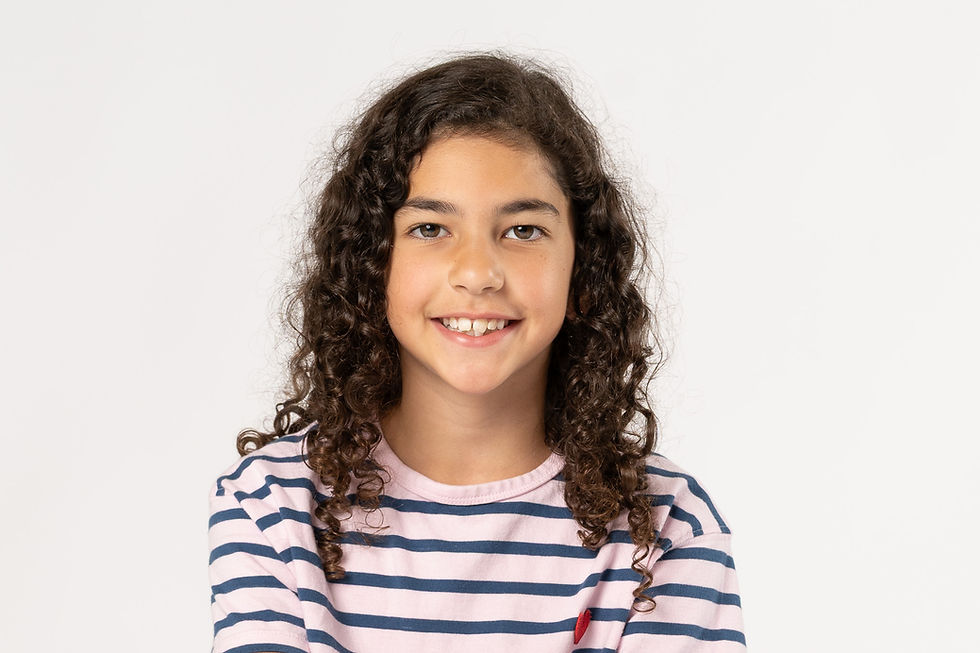
Modelling digitals are simple, clear photos that show what you look like right now. They are sometimes called polaroids, even though they are usually taken with a phone or digital camera today.
These photos are not meant to look like magazine editorials. They are not meant to show heavy posing or creative styling. They are meant to show your face, body proportions, posture, skin, hair, and overall presence in a natural way.
Good digitals are usually:
Taken in natural light or clean even light
Shot against a plain background
Simple and unedited
Current and accurate
Styled with fitted, neutral clothing
Free from distracting accessories
A basic set of modelling digitals often includes:
A clear headshot
A profile photo
A waist-up photo
A full-length front photo
A full-length side photo
Sometimes a smiling photo and a non-smiling photo
For beginner model photos, clean and honest is usually better than dramatic and overproduced. Agencies need to imagine how you could fit different jobs, campaigns, and castings. If the styling is too specific, it can get in the way.
What photos should beginners submit to a modelling agency?
For a first modelling agency application, beginners should submit the exact photos the agency asks for. If the agency does not give many details, keep the images simple.
A strong beginner submission usually includes a mix of face, body, and profile images. The photos should be recent and should look like you on a normal day.
Keep clothing simple and fitted
Agencies need to see your shape and proportions clearly. Simple clothing works best.
Good options can include:
Fitted jeans or plain pants
A simple tank top, t-shirt, or fitted top
Clean sneakers or simple shoes
Swimwear only if the agency specifically requests it and the applicant is comfortable
Avoid clothing that hides your shape, such as oversized hoodies, bulky jackets, large scarves, or busy patterns.
Keep hair and makeup natural
The goal is to show your real features. Heavy contouring, false lashes, bold lipstick, and dramatic styling can make it harder for an agency to assess your look.
Natural does not mean careless. Hair should be clean and tidy. Skin should look like skin. If using makeup, keep it light.
Use clean lighting and a plain background
A bright window, shaded outdoor wall, or simple indoor wall can work well. Avoid harsh shadows, cluttered rooms, mirrors, filters, and screenshots.
If taking phone photos, ask someone else to take them. Selfies are rarely the best choice for agency submissions because they distort angles and often crop the body too tightly.
Submit only what the agency requests
Sending too many photos can work against you. If an agency asks for four images, send four strong images. If they ask for no edited photos, do not send retouched images. A modelling agency application should be clear, simple, and easy to review.
Professional photos for modelling agencies are useful in the right situation
Professional photos for modelling agencies can help when they match the purpose of the application. The issue is not whether professional photos are good. The issue is whether they are needed at this stage.
For a new model with no experience, basic digitals may be enough to apply. A professional session may become useful when you need stronger images for a portfolio, casting profile, personal website, comp card, or agency development.
There is also a difference between a photographer who understands modelling submissions and a general portrait session. Modelling photography for beginners should still feel natural, clean, and useful. It should not make someone look like a completely different person.
A good modelling photographer should help with:
Posing that looks natural and confident
Clean lighting that shows the face and structure
Simple styling choices
Images that fit agency and casting expectations
A calm experience for people who are new to being photographed
The best professional images still feel believable. They show potential without hiding the person.

What is the difference between modelling digitals and a professional modelling portfolio?
Digitals and portfolios serve different purposes. Confusing them is one of the main reasons beginners spend money too early.
Modelling digitals | Professional modelling portfolio |
Simple, natural photos | Polished, planned photo series |
Usually used for agency submissions | Used to show range, skill, and marketability |
Minimal makeup and styling | Styled looks may vary by concept |
Plain background and clean light | Studio, lifestyle, fashion, or editorial settings |
Shows current natural appearance | Shows how you photograph in different situations |
Often acceptable for beginners | More useful after direction or experience |
A professional modelling portfolio is a curated set of images that shows range. It may include headshots, full-length images, lifestyle photos, fashion-inspired looks, commercial expressions, and clean studio work.
For beginners, a portfolio should not be random. Five strong images are better than twenty confusing ones. The photos should suggest the type of modelling you are suited for, such as commercial, fashion, fitness, beauty, or lifestyle.
If an agency signs or develops a new model, they may guide the model on what kind of portfolio images to create. That is one reason it can be smart to apply with digitals first, then invest in professional photos after you have clearer direction.
When is it worth investing in professional modelling photography?
Professional modelling photography becomes more valuable when there is a clear purpose behind the shoot.
It may be worth booking a session when:
An agency asks you to submit stronger images
You need updated digitals that look clean and consistent
You want a starter portfolio for open calls or castings
You are building a comp card
Your current photos are low quality, outdated, or heavily edited
You need guidance with posing and expression
You want to feel more confident in front of the camera
It may be better to wait when:
You have not chosen the agencies you want to apply to
You have not checked submission requirements
You are expecting professional photos to guarantee representation
You only need simple snapshots and can take them well at home
You are being pressured to spend money quickly
No photographer can honestly guarantee that an agency will sign someone. Agencies consider many factors, including look, market demand, height requirements for some categories, age, personality, location, timing, and current roster needs.
What a photographer can do is create clean, professional images that present someone clearly and confidently.
How beginners should prepare for a first modelling photography session
A first modelling session can feel intimidating, but good preparation makes it much easier. The goal is not to arrive knowing every pose. The goal is to arrive ready, rested, and open to direction.
Bring simple clothing options
Pack a small selection of clean, fitted pieces. Neutral colours usually photograph well and keep attention on the person.
Useful options include:
Plain black, white, grey, or denim pieces
Fitted tops
Jeans or simple pants
Simple shoes
A clean jacket or layer if it fits the shoot concept
Avoid large logos, loud patterns, and clothing that needs constant adjusting.
Keep grooming clean and current
Hair should reflect how you normally wear it. If you are planning a haircut, colour change, or major style change, do it before new photos, not right after.
For makeup, ask the photographer what suits the session. For digitals, minimal makeup is usually best. For portfolio work, the approach may vary.
Practise basic movement
You do not need to memorize poses. A few minutes in front of a mirror can help you understand your angles and posture.
Practise:
Standing tall without looking stiff
Turning slightly to each side
Relaxing the hands
Softening the face
Looking into the camera without forcing expression
A good photographer will guide these details during the session.
Share your goals before the shoot
Before booking, explain where the photos will be used. Are they for agency submissions, digitals, a starter portfolio, or general modelling practice?
This helps the photographer plan the lighting, background, cropping, wardrobe, and mood. At Alex Rojas Photography, this conversation matters because modelling photos should support a real goal, not just fill a gallery.

A practical plan for applying to agencies
If applying for the first time, use this simple order.
Make a list of reputable agencies in your area.
Read each agency’s official submission page.
Take the exact photos they request.
Keep the images natural and current.
Submit only through the agency’s official process.
Track where and when you applied.
Consider professional photos if you need stronger images or clearer direction.
This approach helps avoid unnecessary spending. It also gives each agency what they actually asked for.
For many beginners in Vaughan, Toronto, and the GTA, the first step is not a full portfolio. It is a clean set of images and a careful application. After that, professional photography can help build confidence, polish, and range when there is a reason for it.
Final takeaway
Beginners do not always need professional photos to apply to a modelling agency. Many agencies accept simple modelling digitals or natural snapshots, and those may be the best starting point. The most important step is to follow each agency’s submission guidelines.
Professional photography becomes valuable when it has a clear purpose, such as creating stronger digitals, building a professional modelling portfolio, or preparing for castings. When that time comes, working with a photographer who understands beginner model photos can make the process feel easier and more useful.
Start simple. Follow the guidelines. Spend money only when it helps the next step.


Comments