
How to Prepare for Your First Modelling Photoshoot: Beginner Guide

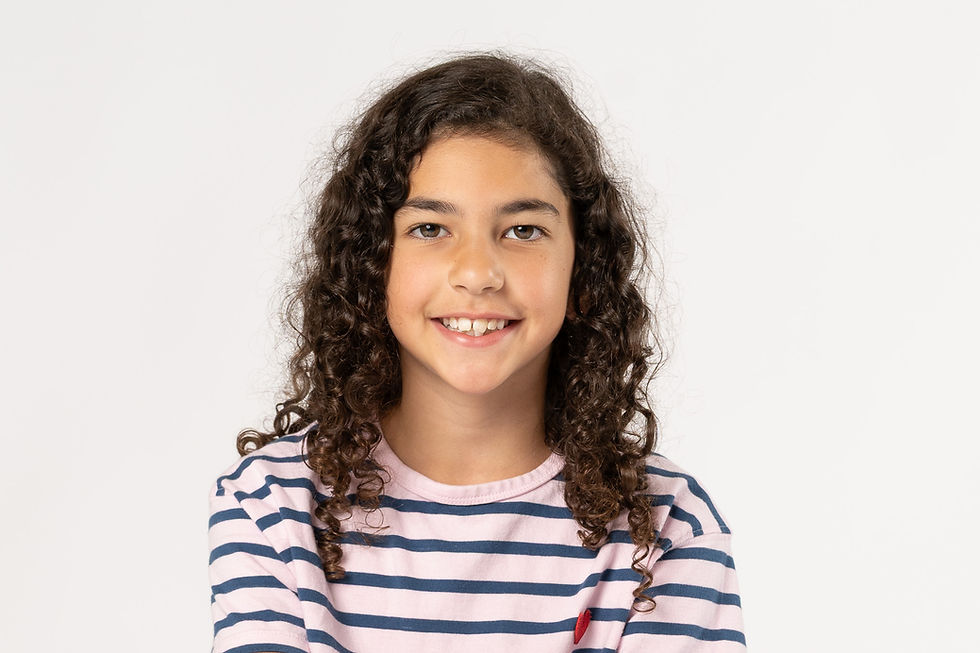
Preparing for a first modelling session can feel confusing. The good news is simple: how to prepare for your first modelling photoshoot comes down to clean grooming, simple outfits, basic planning, and an open attitude. You do not need posing experience to get started.
A professional photographer will guide you through the process. Your job is to arrive prepared, rested, and ready to take direction.
This guide covers practical modelling photoshoot tips for beginners in Vaughan, Toronto, and the Greater Toronto Area, including what to wear, what to bring, how to pose, and what to expect during the session.
Know what type of modelling photoshoot you are doing
Before choosing outfits or practising poses, confirm the purpose of the shoot. A first modelling photoshoot usually falls into one of two categories.
Agency digitals are simple and natural
Agency digitals are clean, straightforward photos that show your current appearance. They are often used when applying to modelling agencies or updating a model profile.
These photos usually include:
A clear headshot
A waist-up photo
A full-length photo
Profile or side-view photos
Simple posing
Minimal makeup
Plain clothing
Natural hair styling
The goal is accuracy. Agencies want to see your face, body shape, proportions, and current look without heavy styling or dramatic editing.
For agency digitals, you do not need fashion poses or bold outfits. Clean and simple works best.
Creative portfolio photoshoots show range
A creative portfolio session gives you more room to show personality, movement, styling, and expression. These shoots help build a beginner model portfolio and can include different looks.
A creative session may include:
Casual fashion looks
Editorial-style portraits
Lifestyle images
Movement shots
More expressive posing
Different outfits
Styled lighting or backgrounds
This type of session is helpful if you want images for a portfolio, casting submissions, or a modelling page. It can also help you learn how you look on camera.
Both types are useful. They just serve different purposes.
How to prepare for your first modelling photoshoot step by step
Good model photoshoot preparation starts before the day of the session. These steps will help you arrive ready without overthinking every detail.
1. Choose simple outfits that fit well
If you are unsure what to wear to a modelling photoshoot, start with clean, fitted clothing. Your clothes should show your shape without distracting from your face and posture.
Bring clothing that feels like you, but avoid anything too busy for your first session.
Good options include:
Fitted jeans
Plain T-shirts
Tank tops
Simple long-sleeve tops
Neutral sweaters
Clean sneakers or simple shoes
A fitted dress or skirt, if that suits your style
Simple fitted pants
Stick with solid colours. Black, white, grey, navy, beige, denim, and earth tones photograph well. Small patterns can work, but large logos and loud prints often pull attention away from you.
The fit matters more than the brand. Clothing should not bunch up, pull tightly, or need constant adjusting.
For agency digitals, keep it very simple. A fitted top and jeans are often enough. For a creative portfolio photoshoot, bring two to four outfit options so the photographer can help choose what works best on camera.
2. Avoid outfits that hide your shape
Modelling photos need to show posture, body lines, and proportions. Oversized clothing can hide those details.
Avoid these unless they are part of a specific creative concept:
Baggy hoodies
Oversized jackets
Very loose pants
Large scarves
Heavy layers
Clothing with strong logos
Neon colours
Distracting patterns
If you love a loose jacket or oversized shirt, bring it as an extra piece. Do not make it your only option.
A good rule: if the outfit needs a long explanation, it may not be right for your first shoot.
3. Keep grooming clean and natural
Good grooming does not mean changing your look. It means arriving polished and camera-ready.
A few days before the shoot:
Plan your hair
Trim or shape facial hair if you wear it
Avoid sudden changes to your hair colour or cut
Keep skin care simple
Avoid trying new products right before the session
Make sure nails are clean and neat
Prepare lips with balm if they get dry
If you wear makeup, keep it clean and natural for agency digitals. For creative portfolio photoshoots, makeup can be more styled, but it should still support the look rather than hide your features.
Do not panic over minor skin texture or blemishes. Real skin is normal. Good lighting, posing, and careful editing can help, but the goal is still to look like yourself.
4. Pack a small photoshoot bag
Bring more than you think you need, but keep it organized. A small bag with essentials can save time during the session.
First modelling photoshoot checklist
Bring these items:
Two to four outfit options
Simple shoes that match your outfits
Nude, black, or seamless underlayers if needed
Hairbrush or comb
Hair ties or clips
Lip balm
Water
Light snack
Makeup for small touch-ups, if you use it
Lint roller
Phone charger
Any reference photos shared with the photographer
Comfortable clothes for travelling to and from the shoot
If you wear glasses, bring them. If you use contacts, bring cases and solution if needed.
Try outfits on before the shoot. Sit, stand, and move in them. If something feels uncomfortable at home, it will likely feel worse in front of the camera.
5. Practise posing without trying to be perfect
Many beginners worry about how to pose for model photos. You do not need to arrive knowing a full set of poses.
A good photographer will guide your posture, angles, hands, chin, shoulders, and expression. Your main job is to listen and make small adjustments.
Before the shoot, practise these basics in a mirror:
Stand tall with relaxed shoulders
Shift weight from one leg to the other
Turn your body slightly instead of facing straight forward every time
Relax your hands
Try soft, neutral expressions
Practise a small smile and a stronger smile
Notice what happens when you lift or lower your chin slightly
Keep movements small. Modelling is often about slight changes. A small change in chin angle, shoulder position, or hand placement can create a very different photo.
Do not copy poses that feel unnatural. Use reference images for ideas, not as strict rules.
6. Learn what to do with your hands
Hands are one of the most common beginner concerns. They can feel awkward at first.
Use simple hand placement:
Place one hand in a pocket
Let arms rest naturally at your sides
Lightly touch a jacket, sleeve, or hair
Hold your wrist gently
Rest one hand on your hip
Keep fingers relaxed
Avoid stiff fingers, tight fists, and pressing your arms flat against your body. Space between the arms and torso often creates a cleaner shape.
If your hands feel awkward, say so. A photographer can give clear direction.
7. Manage nerves before and during the session
Feeling nervous before your first modelling photoshoot is normal. Most beginners feel unsure at the start, especially in a studio or unfamiliar location.
Use a simple routine:
Sleep well the night before
Eat before the shoot
Arrive early
Avoid rushing through traffic in Vaughan, Toronto, or the GTA
Put outfits together the day before
Ask questions before the session starts
Take slow breaths between shots
Nerves usually drop once the session begins. The first few photos are often warm-up images. They help you get used to the camera.
Do not judge yourself after every click. Photos are reviewed later. A full session includes movement, testing, adjustments, and learning.
8. Communicate with the photographer
Clear communication helps the session run well.
Before the shoot, ask:
What should I wear?
How many outfits should I bring?
Is this for agency digitals or portfolio images?
Should hair and makeup be natural?
How long will the session take?
Will I receive posing direction?
Where should I park or enter?
During the shoot, speak up if something feels uncomfortable. You can ask to fix hair, adjust clothing, take a short break, or repeat a pose.
A professional photographer wants you to feel safe, respected, and informed. That matters as much as the final images.
What to expect during the photoshoot
Most beginner sessions follow a simple flow.
You arrive and review outfits. The photographer may help choose which looks to shoot first. If the session includes agency digitals, those may be photographed early while your look is fresh and natural.
The photographer will likely start with simple standing poses. This gives you time to relax. From there, the session may move into seated poses, walking shots, close-ups, or more expressive images.
Expect direction such as:
Turn your shoulders slightly
Drop your chin a little
Look past the camera
Relax your hands
Shift your weight
Take one step forward
Soften your expression
Hold that position
This is normal. Direction does not mean you are doing anything wrong. It means the photographer is shaping the photo.
For creative portfolio photoshoots, you may change outfits, try different backgrounds, and explore more expression. For agency digitals, the session will stay cleaner and more direct.
Beginner model tips that make a real difference
Small habits can improve the session without making it complicated.
Use these beginner model tips:
Arrive with clean, wrinkle-free clothing
Keep jewellery simple
Avoid heavy fragrances in studio spaces
Bring outfit options, not a suitcase of random clothing
Keep your phone nearby but silent
Trust small posing adjustments
Ask for clarification if a direction is unclear
Stay open to feedback
Do not compare yourself to experienced models
The best first sessions are not perfect. They are productive. You learn how your face, body, and expressions photograph.
That learning is part of becoming comfortable on camera.
Common mistakes to avoid
A few mistakes can make a first session harder than it needs to be.
Avoid these:
Changing your haircut right before the shoot
Trying new skin products the night before
Bringing only one outfit
Wearing wrinkled clothing
Overdoing makeup for agency digitals
Practising stiff poses from social media
Arriving late and rushed
Expecting every image to work
Staying quiet if you feel unsure
Photoshoots involve testing. Some poses will work better than others. That is normal for every model, not just beginners.
You do not need posing experience to start
Many aspiring models delay their first session because they think they need to know how to pose first. That is not true.
A first session is where you learn. Professional modelling photography, especially for beginners, should include direction. You should not be left guessing what to do with your face, hands, or body.
Alex Rojas Photography works with aspiring and beginner models across Vaughan, Toronto, and the GTA. The approach is professional, clear, and approachable, with guidance throughout the session so you can build confidence while creating useful images.
If you are preparing for your first session or building a beginner model portfolio, you can learn more or get in touch through Alex Rojas Photography.
FAQ
How early should I arrive for my first modelling photoshoot?
Arrive 10 to 15 minutes early. This gives you time to settle in, check outfits, and start calmly.
Should I get professional hair and makeup for my first shoot?
For agency digitals, natural grooming is usually best. For creative portfolio photoshoots, hair and makeup can help if it fits the concept. Ask the photographer before booking it.
What should I wear to a modelling photoshoot if I have no idea where to start?
Start with fitted jeans, a plain top, and simple shoes. Bring a few neutral options. Clean, simple clothing is often the safest choice.
How many outfits should I bring?
Bring two to four outfit options for a beginner portfolio session. For agency digitals, one or two simple looks may be enough.
Will the photographer teach me how to pose?
A beginner-friendly photographer should guide you. You do not need to know how to pose before your first session.
Final takeaways before your first shoot
Your first modelling photoshoot does not need to be complicated. Prepare simple outfits, keep grooming clean, bring the right basics, and arrive rested.
The most important thing is to stay open to direction. Good photos come from small adjustments, clear communication, and trust in the process.
If you are in Vaughan, Toronto, or the GTA, your first modelling session can be a practical step toward building confidence and creating images you can actually use.


Comments